
Teen holiday program options in NSW include council youth programs, activity camps and disability-inclusive day programs. If your teen has disability-related support needs and your family is considering an overnight break, host-home respite may also be worth exploring.
You might be looking for something that runs until you finish work on Wednesday. Your teen might be wondering whether anyone their age will be there. Both questions matter, and answering them together can make the search a lot easier.
Why Might Vacation Care Stop Being a Good Fit in High School?
Vacation care can stop fitting because of a provider’s age limit, because the activities feel too young, or because your teen’s support needs have changed. Outside school hours care usually caters for primary school-aged children, so check when your current service’s eligibility ends.
Before looking elsewhere, think about what made the old arrangement work. Maybe there was a staff member your teen could go to when things got loud. Maybe they liked knowing how the day would run. Those details are worth carrying into the next conversation, even if they’re ready for a different group or activity.
Ask your teen what they’d keep from vacation care and what they’d change. Their answers can give you a better starting point than an age filter alone.
What Are the School Holiday Options for Teens in NSW?
Council youth programs can offer creative sessions, sports or outings with other young people. The City of Sydney’s Youth in the City program, for example, is open to young people aged 13 to 18 and those under 13 who are already in high school. If you’re looking in Western Sydney, on the Central Coast or around Newcastle, start with your local council’s youth page and check the age range for the specific session.
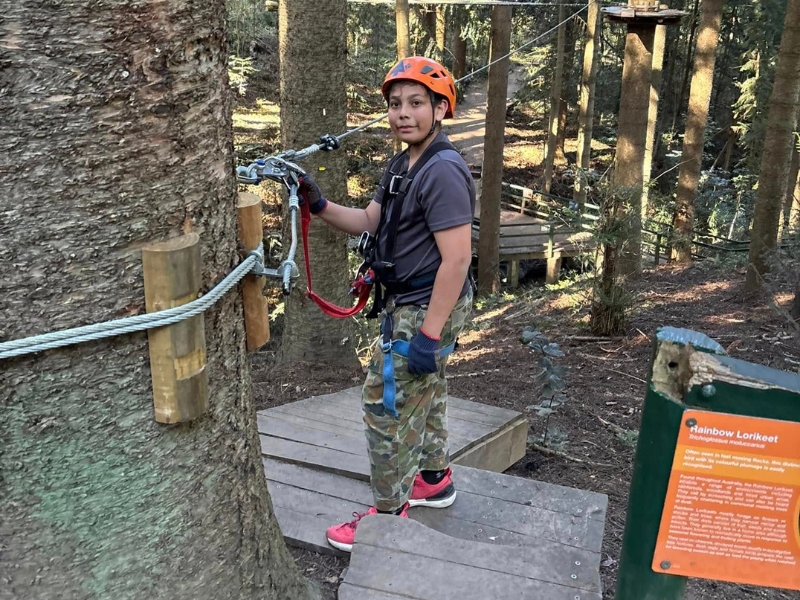
Mainstream activity camps and workshops can suit a teen who wants to spend part of the break doing something they’ve chosen. That might be a treetop ropes course, quad biking, a cable-towed water activity or a creative workshop. Check whether enrolment is based on age or school year. If one activity caught your teen’s eye, ask what they’ll need to take part and what they can do instead if they change their mind on the day.
Disability-inclusive day programs can give teens a chance to try new activities and spend time with people their age. The support available varies between programs, so describe what helps your teen take part and ask the organiser to walk you through a typical day. Find out who’ll help them settle in when they arrive, how they can ask for a break and whether the same support is available on outings.

If your family is considering an overnight stay, school holiday respite for teens is another option to explore.
What to Expect From a Host-Home Stay When Exploring Teen Holiday Program Options
In host-home respite for teens, a young person stays in a carer’s home, with support planned around their usual needs and routines. An evening might involve helping cook dinner or picking a film. If your teen likes to know what’s coming, talk them through what to expect when they arrive and how bedtime might work.
Your teen may want to meet the carer and see the home before deciding. Together, you can ask who else lives there, where they’d sleep and who they could go to for help overnight. If they’d prefer respite without group activities, ask what time on their own could look like. For future stays, it’s also worth asking whether they could return to the same carer.
A nearby home can make travel easier. If you’re comparing host-home and facility respite, ask your teen where they’d feel most comfortable. For a host-home stay, check whether a suitable carer is available and can provide the support your teen needs.
What Would Your Teen Like From Their School Break?
Some teens want a day out with people their age. Others might pick one activity and leave the rest of the day free. Give your teen time to look through the options and answer in a way that suits them. They might want to talk it through, point to a photo or text you their choice later.
If your teen says yes to a photo of a ropes course, ask what caught their eye. They might want to climb, try it with a friend or watch someone go through the course before they decide.
Let your teen choose one question to ask. It could be “Can I meet the person who’ll support me?” or “What happens if I need a break?”
How Can You Compare Teen Holiday Program Options?
Use the table below to compare the specific sessions your teen could attend. If they’re 16 or 17, ask whether other teens their age usually take part. That gives you a clearer picture of who they’ll spend the day with.
| Option | Age and hours to check | Fees to ask about | Support to confirm |
| Council youth program | Age or school year for the session and drop-off and pick-up times | Session fee and any outing costs | Who your teen can go to for help or a break |
| Activity camp or workshop | Camp age range, session hours and rules for individual activities | Equipment, entry and extended hours | What your teen can do instead if they skip an activity |
| Disability-inclusive day program | Age range, session hours and entry criteria | Activity charges and any separately quoted support | Whether staff can meet your teen’s needs on site and on outings |
| Host-home respite | Availability and proposed arrival and departure times | An itemised quote and any costs you’d pay directly | What the proposed host can provide during the day and overnight |
Before booking a respite stay, ask the provider how they handle safety concerns and who to contact if something changes during the stay.
As your teen gets closer to 18, you might start wondering what respite for adults with high-intensity support needs could look like for them.
Ask for an itemised quote if your teen has an NDIS plan. The quote should list ordinary activity fees separately from any proposed disability-related support. Ordinary vacation care fees and standard entry fees for recreational activities are excluded from NDIS funding.
The NDIA may fund short-term accommodation for participants under 18 in some circumstances, including when their disability-related support needs go beyond what’s typical for their age and the stay would help their family continue caring for them. Check with your NDIS contact before relying on plan funding.
From a Shortlist to a School Holiday Plan
Pick one or two options with your teen, then ask the organisers what’s available for the dates you need and when bookings close. Once you know what’s available, you can decide together which option to book.
If your teen is interested in trying a host-home stay, you can contact Our Family Respite. Tell us what they enjoy, what helps them settle and what they’d like from their break. We can talk through whether a stay might suit them and whether an available host could meet their needs.